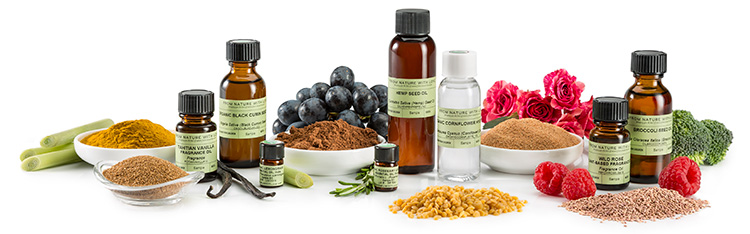
Carrier/Fixed Oil ProfilesBelow are descriptions for 68 conventional carrier/fixed oils. For pricing information, please click on the bold link for each oil. Descriptions for 52 organic oils are also available. CO2 Extract: Arnica Flower TotalArnica montana is also commonly called leopard's bane, wolf's bane, mountain tobacco, and mountain arnica. The flowering plant, known for its bright yellow petals and daisy-like appearance, is native to Europe, Southern Russia, and parts of North America. Historically, Arnica has been celebrated since the 1500s for its numerous uses in wellness and skin care applications. Our Arnica Flower CO2 Total Extract is produced in Germany using CO2 supercritical extraction of dried Arnica montana flowers harvested in Romanian. The CO2 extraction process typically requires that the plant material is dried prior to extraction to produce the most superior extract. It contains all of the CO2-soluble lipophilic components present in arnica and up to 5% sesquiterpene lactones, triterpenediol esters plus trace amounts of essential oil, waxes and resins. After production, the Arnica Flower CO2 Extract Total is blended with 70% organic Sunflower Oil. It is then carefully packaged to maintain the purity, freshness and beneficial properties of this beautiful CO2 Extract. Arnica Flower CO2 Total Extract features a characteristic aroma, dark brown hue and is typically a thick liquid or semi-soft solid, depending on the room temperature. Personal Care Uses:Arnica Flower CO2 Total Extract is ideally suited for use in massage and muscular wellness formulations. Arnica Flower CO2 Total Extract should not be used on open wounds or lesions. Arnica Flower CO2 Total Extract Properties:
Arnica Flower CO2 Total Extract is Perfectly Suited for the Following Personal Care Applications:
CO2 Extract: Calendula TotalCalendula officinalis, most commonly known as the pot or common marigold, has been used to soothe skin-related concerns since the 16th century. Noted for their vibrant yellow-to-orange hue, the edible petals are prized by chefs as an alternative to saffron. Calendula CO2 Total Extract is produced via CO2 Supercritical Extraction to produce a highly beneficial extract that can be used to incorporate the many benefits of Calendula into salves, ointments, balms, lotions, creams, lotion bars, and your other formulations. Calendula CO2 Total Extract is prized for its wide range of remarkably soothing and beneficial skin care properties. We encourage you to research all the skincare benefits that calendula offers. The main constituents of the extract include faradiol esters, carotenoids, sterrols (sitosterol) and cuticular waxes. Calendula CO2 Total Extract features a characteristic sweet, woody calendula aroma, dark brown hue and is typically semi-soft and waxy at room temperature. To use Calendula CO2 Total Extract, you may need to warm the CO2 and your vegetable oil gently and then combine. The recommended usage rate is .1-0.3%. A little goes a long way with this remarkable extract. CO2 Extract: Cocoa SelectThe Cacao Tree, Theobroma cacao is a small to mid-size tropical evergreen tree with large, beautiful glossy leaves. It belongs to the Malvaceae plant family. The tree produces pod-shaped fruits with colorful red, orange and yellow hard exterior shells that protect the numerous cacao beans that are housed inside. These dark, flavorful beans are rich in nutritive fatty acids, minerals, polyphenols and Vitamin E. The beans are used to produce a variety of raw materials including cocoa extract, cocoa butter, cocoa powder and chocolate. Our premium quality Cocoa CO2 Select Extract is 100% natural. It is obtained by pressurized supercritical fluid extraction using carbon dioxide as the solvent. This method effectively extracts the beneficial lipophilic constituents present in the cacao beans. The CO2 supercritical extraction process exposes the extract to less heat during production than expeller pressing, leading to a more prolonged, stable shelf. Once the extraction process is complete, the CO2 dissipates back into a gaseous state. Unlike hexane and other solvent extraction processes, no trace of solvent remains in extracts produced by CO2 supercritical extraction methods. Ethical and Sustainable Sourcing:Our Cocoa CO2 Select Extract is sourced from a conscientious manufacturing partner. Our partner strives to maintain responsible long-term relationships with suppliers that ensure sustainable farming practices. Properties:
Uses:Our Cocoa CO2 Select Extract possesses a deliciously rich, intensely sweet, natural cocoa scent that is more concentrated in aroma to that of Cocoa Butter. Cocoa CO2 Select Extract can be used to impart your finest natural products with an exquisite, indulgent chocolaty aroma while simultaneously enriching your products with all of the nutritive benefits of this extraordinary extract. The firm, primarily saturated composition of Cocoa CO2 Select Extract makes it a valuable ingredient in products intended to soothe, protect and moisturize even very dry, flaky and problematic skin types. Although Our Cocoa CO2 Select Extract is best classified as a CO2 Select Extract, it possesses a thicker consistency similar to CO2 Total Extracts that are abundant in fatty acids. Our Cocoa CO2 Select Extract is semi-solid to solid at room temperature. This remarkable extract tends to be softer and creamier to work with than traditional Cocoa Butter. It melts easily with gentle warming to 105 degrees Fahrenheit (40 degrees Celsius). Cocoa CO2 Select Extract is Well Suited For:
Recommended Usage:1-3% CO2 Extract: Rhatany Root TotalRhatany Root CO2 Total Extract, also known as Krameria Root Total CO2 Extract, is obtained by supercritical fluid extraction using carbon dioxide as the solvent. Less than 2% alcohol (ethanol) is added as an entrainer. The extract is standardized using Organic Olive Oil. Rhatany, Krameria lappacea, is a small perennial shrub with distinctive pink and red flowers. The roots of the plant contain lignans that offer numerous benefits within personal care and cosmetic applications. Rhatany Root CO2 Total Extract is a thick, brownish orange extract with a mild, pleasant, earthy aroma. It contains the CO2-soluble lipophilic compounds, including 20-30% lignans. Rhatany Root CO2 Total Extract is well suited for a wide array of skin and hair care applications and is especially well suited for formulations intended to support maturing skin. We encourage you to research the numerous benefits of this incredibly beneficial extract. CO2 Extract: Seabuckthorn Berry TotalOur Seabuckthorn Berry CO2 Total is a complete seabuckthorn berry oil. It includes the pulp, skin and seeds. The pulp and the fruit of the Seabuckthorn has been recognized for centuries for their exceptional benefits within skin care. Seabuckthorn Berry CO2 Total Extract is remarkably helpful in nourishing, revitalizing and supporting healthy skin. It is especially well suited challenging skin problems including itchy and severely dry skin. Due to its vivid color, it is often blended with other vegetable oils to reduce the color intensity of the final formulation.
CO2 Extract: Seabuckthorn Seed TotalThe pulp and the fruit of the Seabuckthorn has been recognized for centuries for its exceptional benefits within skin care. Seabuckthorn seeds appear to be an unsurpassed natural source of vitamins A and E, carotenes and flavonoids. Seabuckthorn seeds are second only to Rose hips and Acerola in vitamin C content. The seeds are also rich in several other vitamins, including B1, B2, K and P as well as in more than two dozen microelements. Seabuckthorn Seed CO2 Total Extract is remarkably helpful in nourishing, revitalizing and supporting healthy skin. It is especially well suited challenging skin problems including itchy and severely dry skin. Due to its vivid color, it is often blended with other vegetable oils to reduce the color intensity of the final formulation. Our Seabuckthorn Seed CO2 Total Extract is 100% pure. To help protect this highly nutritive extract, Rosemary Leaf Extract is added at 0.1%.
Oil: AbyssinianOur Abyssinian Oil is derived from the tiny seeds of Crambe abyssinica, considered a crucifer. Originally native to the Mediterranean region, Crambe abyssinica is now grown in several other regions of the world. Abyssinian Oil is a highly stable oil that is regarded for its significant content of Erucic Acid, a monosaturated Omega-9 fatty acid known for its ability to act as a natural lubricant for massage, skin and hair care applications. Our Abyssinian Oil is sustainably produced using rigid and demanding standards that ensures that the Crambe abyssinica crops are closely monitored and that production of the oil complies with all quality control standards. The oil is then carefully packaged to maintain the purity, freshness and beneficial properties of this nutritive oil. Uses:Our Abyssinian Oil is a highly stable, versatile, emollient oil that spreads easily and is well suited for a wide range of natural cosmetic and personal care products. It can be used to disperse colorants and other nutritives within a formulation. Its long chain, unsaturated fatty acids are conditioning for both skin and hair. It hydrates the skin while balancing the tone and texture. Its lubricity makes it helpful as a detangler in hair care products. Abyssinian Oil offers excellent slip and spreadability without drag, making it useful in massage applications. Abyssinian Oil Properties:
Abyssinian Oil is Perfectly Suited for the Following Personal Care Applications:
Recommended Usage Rate:1-100% Oil: Acai Berry Pulp, VirginThe Acai Palm, also known as the Assai Palm, is a species of palm trees native to Brazil and other regions of South and Central America. The Acai Palm bears small, dark purple berries that each contain one large seed. The small berries have been prized for generations by the region's tribes for the healing and energizing sustenance that they provide both as an edible fruit and nutritive oil. Virgin Acai Berry Oil contains and an impressive combination of Omega 3, 6 and Omega 9 fatty acids. Our Virgin Acai Berry Oil is produced from premium quality acai berries that are sustainably harvested. After meticulous harvesting, Our Acai Berry Oil is then carefully cold pressed, filtered, packaged and stored to maintain the purity, freshness and beneficial properties of this nutritive, cold pressed oil. Uses:The rich array of nutrients present in our Virgin Acai Berry Oil and its impressive moisturization capabilities make the oil an excellent choice for all skin types. However, the oil is especially well suited for use in skin care formulations intended for mature, dry, damaged or problem skin. It nourishes and protects the skin from moisture loss while minimizing the appearance of fine lines, revealing a more radiant complexion. Virgin Acai Berry Oil Properties:
Virgin Acai Berry Oil is Perfectly Suited for the Following Personal Care Applications:
Recommended Usage Rate:1-100% Oil: Almond, SweetOur premium quality Sweet Almond Oil is pressed from 100% pure almonds. Sweet Almond Oil is an effective emollient for softening and conditioning the skin and hair. It is well suited for problem, dry and itchy skin. Sweet Almond Oil is light and penetrates easily. It is well suited for use as an aromatherapy carrier oil, massage oil or after-bath oil. Sweet Almond Oil is ideal for use in creams, lotions, lotion bars, balms, scrubs and massage oils. When used in soap making, Sweet Almond Oil saponifies easily and yields a mild soap with good lather. It can be used as a large percentage of the fats or as an oil added at trace. Oil: Aloe Vera ExtractOur Aloe Vera Oil is processed and made in the USA by a processor that has received certification from the International Aloe Science Council (IASC). Aloe Vera Oil is produced by macerating aloe vera leaves in non-GMO soybean oil. It is clear to pale yellow in hue and has a very mild, characteristic aroma. Aloe Vera Oil can be incorporated into lip balms, creams, lotions, body butters, hair oil treatments and other skin care formulations. By using the oil, the beneficial properties of aloe vera can be incorporated into your formulation without needing to worry about the greater risk of bacterial and mold growth that can occur when using the pure gel. Oil: AmlaThe amla fruit, also known as the Indian Gooseberry, is a highly nutritious, greenish-yellow fruit with an intriguing, sweet yet sour flavor. The berries grow on a small deciduous tree with small branchlets. In its native India, the amla tree has been worshipped as Mother Nature because it has numerous internal and external applications within traditional Ayurvedic practices. The nourishing fruit is naturally rich in Vitamin C, minerals, polyphenols including ellagitannins (tannins), flavonoids, ellagic acid and other phytochemicals. The seeds are reported to be comprised of a significant quantity of Linolenic Acid, an omega-3 essential fatty acid and Linoleic Acid, an omega-6 essential fatty acid. Amla Oil has been used for centuries in Ayurvedic medicine for its wide range of beneficial applications. The oil is especially well embraced for its remarkable ability to nourish and promote healthy hair and scalp. Our Amla Oil is meticulously produced using a multi-step process that incorporates the nutritive benefits of expeller pressed amla seed oil with the benefits of amla fruit macerated/extracted into sesame seed oil. To begin the process, amla fruit is crushed and is then boiled to release the natural fruit oils. The infusion is then reduced under vacuum pressure. The resulting hydro-extract is then gently warmed in sesame oil, and the remaining moisture is removed. Separately, the seeds are expeller pressed. The resulting expeller pressed seed oil is collected and added to the sesame oil extract to produce the final Amla Oil. Uses:Amla Oil possesses an impressive reputation for its efficacy in nourishing the scalp, conditioning dry and brittle hair and for promoting strong, healthy and shiny hair. Amla Oil is especially well suited for use in conditioning curly, wavy, textured and all hair types that benefit from significant hydration and moisturization. It also helps to dramatically soothe and moisturize the scalp and assist with dry and problem scalp concerns. Amla Oil helps support natural, healthy hair growth and provides exceptional conditioning and moisturization to the hair and scalp when used as a hot oil treatment, deep conditioner or hair pomade. It is also effective when incorporated into shampoos, scalp treatments and other hair and scalp formulations. Properties:
Amla Oil is Perfectly Suited for the Following Personal Care Applications:
Recommended Usage:1-100% Oil: Andiroba, VirginVirgin Andiroba Oil is cold pressed from the kernels of the andiroba tree, a tall tree native to Brazil and regions of the Amazon. The andiroba tree resembles a chestnut tree. If ingested, the kernels and bark of the andiroba tree, including its nutritive oil, are bitter in taste. In its native language of Guarani, Nahandi is reported to mean oil, and roba means sour. Virgin Andiroba Oil has been used for generations by the region's tribes to soothe and protect the skin. Uses:Our Virgin Andiroba Oil is golden in color and has a mild fruity scent. It possesses a unique combination of important fatty acids and other beneficial compounds. It is comprised of approximately 15-30% saturated, 45-57% monounsaturated and 25-31% polyunsaturated fatty acids. It is highly emollient and is an effective moisturizing oil for products intended to sooth and protect dry, cracked and problem skin. This oil penetrates the skin quickly, acting as an exceptional emollient carrier oil. An added advantage is that bugs strongly dislike it. Virgin Andiroba Oil has traditionally been used in soap making applications that are intended to soothe and aid challenging skin. Properties:
Virgin Andiroba Oil is Perfectly Suited for the Following Personal Care Applications:
Recommended Usage Rate:1-100% Oil: Apricot KernelOur Apricot Kernel Oil is cold expeller pressed from only carefully selected, certified organic kernels of Prunus armeniaca, a small, cultivated apricot tree that is believed to originate from western Asia. Apricot Kernel Oil is a light yet highly emollient oil that absorbs rapidly into the skin. It is an unsaturated oil that is similar in texture and composition to that of Sweet Almond Oil. However, Apricot Kernel Oil possesses a slightly higher composition of the omega-6 essential fatty acid Linoleic Acid. Uses:Apricot Kernel Oil is light in texture, absorbs rapidly and serves as a highly versatile, nutritive oil within a wide array of cosmetic, personal care and massage products and applications. The oil helps to soften, soothe and protect the skin and leaves it feeling nourished and hydrated. It is an effective emollient and is well suited for parched, dry, itchy, mature and problem skin types. Within hair care applications, Apricot Kernel Oil helps to condition and restore vitality to dry and damaged hair. Properties:
Apricot Kernel Oil is Perfectly Suited for the Following Personal Care Applications:
Recommended Usage Rate:1-100% Oil: Avocado, RefinedAvocado Oil is pressed from the flesh of the avocado, a fruit that grows on trees native to the Americas and the Caribbean. Also known as the alligator pear, the fruit has been cultivated since at least 900 A.D. This nutritive oil has been used for centuries in the beauty and skin care regimens of indigenous Central and North American populations. The emolliency and impressive nutritional profile of Avocado Oil makes it an ideal ingredient for inclusion in skin care formulations intended to soothe dry, dehydrated, damaged and mature skin. Its notable content of unsaturated fatty and essential fatty acids also makes it ideal for inclusion in nourishing, moisturizing hair care formulations. Our superior quality Avocado Oil is cold pressed. It is carefully sourced and packaged to maintain the purity, freshness and beneficial properties of this remarkably nutritive oil. Personal Care Uses:Avocado Oil is a stable, emollient, highly penetrating oil. It helps to improve the tone, texture and appearance of the skin. It is ideal for products intended to support and protect mature skin, and it is wonderfully suited for dry skin. Avocado Oil is rich in unsaturated fatty acids and is a natural choice for hydrating skin and hair care formulations. Avocado Oil Properties:
Avocado Oil is Suitable for the Following Applications:
Recommended Usage Rate:1-100% Oil: Black Raspberry Seed, VirginBlack raspberries are native to the United States, with the majority of crops grown in the pacific region of the country. Raspberry shrubs are generally 6-9" in size. The berries have been used for hundreds of years as a flavorful and nutritive food source and as a natural dye. Our Virgin Black Raspberry Seed Oil is prepared by mechanically cold expeller pressing premium quality black raspberry seeds. The unrefined oil is then lightly filtered. No solvents or chemicals are used to produce the oil. It is then carefully packaged and stored to maintain the purity, freshness and beneficial properties of this nutritive cold pressed oil. Uses:Virgin Black Raspberry Seed Oil is a highly versatile oil that helps maintain skin elasticity and soothes and helps protect against an array of skin conditions. It is ideal for cosmetic and personal care applications that include formulations intended for problem, damaged, maturing or sensitive skin. It absorbs quickly without leaving a greasy feel and leaves the skin looking and feeling hydrated. In hair care applications, Virgin Black Raspberry Seed Oil promotes healthy hair by nourishing the hair shaft and by conditioning dry or damaged hair. Virgin Black Raspberry Seed Oil Properties:
Virgin Black Raspberry Seed Oil is Perfectly Suited for the Following Personal Care Applications:
Recommended Usage Rate:1-100% Oil: Blackberry SeedBlackberries are native to both the United States and Europe. Historical evidence documents that the berries have been consumed and used medicinally for over 2,000 years. The berries grow on shrubs that are approximately 10' in size. Our Blackberry Seed Oil is prepared by mechanically cold pressing premium quality blackberry seeds. No solvents or chemicals are used to produce the oil. It is then carefully packaged and stored to maintain the purity, freshness and beneficial properties of this nutritive cold pressed oil. Uses:Blackberry Seed Oil is an emollient oil that nourishes the skin and leaves it feeling hydrated. Blackberry Seed Oil is well suited for use in a wide array of cosmetic and personal care applications that include formulations intended to support problem, damaged, maturing and sensitive skin. In hair care applications, Blackberry Seed Oil nourishes, conditions and helps maintain healthy hair. Blackberry Seed Oil Properties:
Blackberry Seed Oil is Perfectly Suited for the Following Personal Care Applications:
Recommended Usage Rate:1-100% Oil: Blackberry Seed, VirginBlackberries are native to both the United States and Europe. Historical evidence documents that the berries have been consumed and used medicinally for over 2,000 years. The berries grow on shrubs that are approximately 10? in size. Our Virgin Blackberry Seed Oil is prepared by mechanically cold pressing premium quality blackberry seeds. No solvents or chemicals are used to produce the oil. It is then carefully packaged and stored to maintain the purity, freshness and beneficial properties of this nutritive cold pressed oil. Uses:Virgin Blackberry Seed Oil is an emollient oil that nourishes the skin and leaves it feeling hydrated. Virgin Blackberry Seed Oil is well suited for use in a wide array of cosmetic and personal care applications that include formulations intended to support problem, damaged, maturing and sensitive skin. In hair care applications, Virgin Blackberry Seed Oil nourishes, conditions and helps maintain healthy hair. Virgin Blackberry Seed Oil is Perfectly Suited for the Following Personal Care Applications:
Virgin Blackberry Seed Oil Properties:
Recommended Usage Rate:1-100% Oil: Blackcurrant SeedBlackcurrants are native to the United Kingdom and regions of Europe and Asia. The berries grow on tiny shrubs that reach a height up to 6' tall. Blackcurrants are traditionally used as a flavoring and as a key ingredient within jams, deserts, syrups and liqueurs. Throughout history, blackcurrants have been used medicinally. The berries are rich in Vitamin C and have been consumed in place of citrus fruits within the UK when citrus fruits have been difficult to procure. Our Blackcurrant Seed Oil is prepared by expeller pressing premium quality blackcurrant seeds. No solvents or chemicals are used to produce the oil. Our Blackcurrant Seed Oil is then gently filtered and carefully packaged to maintain the purity, freshness and beneficial properties of this nutritive pressed oil. Uses:Blackcurrant Seed Oil is a remarkable oil that helps to nourish, soothe and protect skin and hair. Its composition of omega fatty acids makes Blackcurrant Seed Oil ideal for formulations intended to soothe problem, damaged, maturing and sensitive skin. It absorbs quickly and leaves the skin looking and feeling hydrated. In hair care applications, Blackcurrant Seed Oil promotes healthy hair by nourishing the hair shaft and by conditioning dry and damaged hair. Blackcurrant Seed Oil Properties:
Blackcurrant Seed Oil is Perfectly Suited for the Following Personal Care Applications:
Recommended Usage Rate:1-100% Oil: Blueberry Seed, VirginThe blueberry shrub from the species Vaccinium corymbosum is native to North America. Blueberries are also becoming an important fruit export for Chile for use as a food source and for their use in wellness applications. With their sweet, pleasant flavor, Blueberries are most commonly eaten alone or used in sweets, jellies, syrups or as a flavoring. Recent studies reveal that the juice and seeds are extremely nutritive and rich in antioxidants. The composition of Praan Naturals Virgin Blueberry Seed Oil includes an impressive amount of omega-3 essential fatty acids in the form of Linolenic Acid and omega-6 essential fatty acids in the form of Linoleic Acid. Our premium quality Virgin Blueberry Seed Oil is cold pressed and filtered. It is then carefully stored and packaged to maintain the purity, freshness and beneficial properties of this highly nutritive oil. Ethical and Sustainable SourcingBlueberries harvested from Vaccinium corymbosum are not classified as threatened or endangered by the IUCN Red List of Threatened Species (International Union for Conservation of Nature and Natural Resources). Virgin Blueberry Seed Oil is a conscientious alternative to vegetable oils derived from plant species that are threatened or endangered. Our Virgin Blueberry Seed Oil is sourced from a conscientious manufacturing partner that ensures the optimal growing and environmental conditions for their blueberry crops. The region is free of contamination, and the crops are watered with the pure waters of the Andes. Uses:Virgin Blueberry Seed Oil is a highly versatile and nourishing berry seed oil that can be used in numerous applications. With its unique omega-3-6-9 essential fatty acid profile, it leaves the skin looking and feeling smooth and hydrated. It is ideal for moisturizing, soothing and protecting maturing, parched, dry, or damaged skin, lips and hair. In hair care applications, Virgin Blueberry Seed Oil nourishes and conditions the scalp and hair. Virgin Blueberry Seed Oil is Perfectly Suited for the Following Personal Care Applications:
Properties:
Recommended Usage Rate:1-100% Oil: Brazil Nut, RefinedBrazil Nut Oil is pressed from the nuts of the Bertholletia excelsa tree, also known as the Brazil nut tree. The tree is one of the largest in the Amazonian region, extending upwards to 50 meters in height. Inside the hard, wood-like outer casing of the fruit is an average of 10 to 21 Brazil nuts, arranged like the segments of an orange. Brazil nuts consist of approximately 67% oil, which Brazilian natives utilize in cooking and within skin and hair care applications. Organic Brazil Nut Oil possesses a unique fatty acid profile that includes omega-6 and omega-9 fatty acids, making it an ideal ingredient for inclusion within cosmetic, personal care and spa applications. Our superior quality Brazil Nut Oil is refined. It is carefully sourced and packaged to maintain the purity, freshness and beneficial properties of this remarkably nutritive oil. Uses:Brazil Nut Oil is a light, yet highly nourishing oil. Its texture and sweet aroma contribute to its versatility and efficacy in a wide array of innovative personal care products. Its composition of fatty acids helps to soothe, protect and maintain healthy, nourished skin. It is especially well suited for applications intended for dry, problem, damaged or mature skin. Properties:
Brazil Nut Oil is Perfectly Suited for the Following Personal Care Applications:
Recommended Usage Rate:1-100% Oil: Buriti Fruit, RefinedThe buriti, also known as the moriche palm, is a large palm tree that grows in swamp regions of South America. Natives refer to it as the Life Tree. The buriti tree bears a sweet fruit with a brown, scaly exterior and yellow pulp. The pulp is extremely rich in essential fatty acids and carotenoids, including beta-carotene. Buriti Fruit Oil is considered to be one of the richest sources of beta-carotene, with levels exceeding that of carrot seed oil. Brazilians treat the buriti tree as sacred because it contains the nutrients and the support needed to sustain life. The oil is used in traditional medicine to protect the skin and to address a variety of skin conditions. Uses:Buriti Fruit Oil possesses the remarkable ability to effectively nourish, moisturize, soothe and support the health of dry, cracked, mature and problem skin types. It is highly beneficial in formulations intended for after-sun skin care. It also helps to condition and restore vitality to dry, brittle and damaged hair. Properties:
Buriti Fruit Oil is Perfectly Suited for the Following Personal Care Applications:
Recommended Usage Rate:1-7% Oil: Caprylic Capric Triglycerides (MCT Oil)Our Caprylic Capric Triglycerides (MCT Oil) is palm-free. MCT Oil, also known as Caprylic Capric Triglycerides, is gaining widespread attention within the beauty, cosmetic and personal care industries due to its impressive silky, oil-free texture and oxidative stability. Despite the word oil in its name, MCT Oil is actually an ester, not a true oil. It primarily contains Caprylic Acid and Capric Acid, medium chain triglycerides that are fluid at room temperature. Not all commercially available MCT Oils are produced solely from coconuts. Some MCT products may be produced using unsustainable rapeseed and/or palm oils. To produce our MCT Oil, a process called esterification is used. Coconut oil is first hydrolyzed to yield the medium chain fatty acids and glycerol. The glycerol is reserved, and the fatty acids undergo distillation to separate them into fractions of different chain lengths. The C8 Caprylic Acid and C10 Capric Acid fractions are then re-esterified with glycerol to form MCT Oil. The oil is then filtered and deodorized. Unlike pure Virgin Coconut Oil that has a characteristic coconut aroma and that is solid and opaque at room temperature, MCT Oil is a clear, colorless and virtually odorless fluid that pours easily at room temperature. Our MCT Oil and Fractionated Coconut Oil primarily consist of Caprylic and Caparic Triglycerides. However, they are produced using different methods, and both feature important differences in properties, benefits and applications. Please refer to the Comparison Chart shown on the next page and the separate product literature available for our Fractionated Coconut Oil. Uses:MCT Oil is highly versatile and is suitable for all skin types. It is gentle enough for sensitive skin. It is especially attractive for incorporation into oil-free cosmetic and personal care formulations intended for oily, combination or problem skin types. It absorbs rapidly and possesses a highly desirable, silky, powdery feel. MCT Oil can be incorporated into massage formulations or used on its own as a very light, non-greasy massage oil. It is also an exceptional substitute for mineral oil. Within aromatherapy and fragrancing applications, MCT Oil serves as a virtually odorless carrier for essential oils and other aromatics. Properties:
MCT Oil is Perfectly Suited for the Following Personal Care Applications:
Recommended Usage Rate:1-100% Oil: Carrot Seed Oil, VirginThe seeds of Daucus carota sativa (also known as Wild Carrot or Queen Anne’s Lace) are responsible for producing a remarkably nourishing and rejuvenating oil ideally suited for the finest moisturizers and personal care applications. Although their names are similar, Virgin Carrot Seed Oil is not pressed from the orange root vegetable that we commonly call a carrot. This beautiful virgin cold pressed oil should not be confused with steam distilled carrot seed essential oils or macerated (infused) carrot seed oils. Unlike many carrot seed oils that are derived by macerating carrot seeds in sunflower or another vegetable oil, our Virgin Carrot Seed Oil is a true, 100% pure cold pressed oil. Our superior quality Virgin Carrot Seed Oil is carefully sourced and packaged to maintain the purity, freshness and beneficial properties of this remarkably nutritive oil. Ethical and Sustainable Sourcing:Seeds harvested from Daucus carota sativa are classified as a stable species of least concern by The IUCN Red List of Threatened Species (International Union for Conservation of Nature and Natural Resources). Virgin Carrot Seed Oil is a conscientious alternative to lipids derived from plant species that are threatened or endangered. Uses:Abundant in the essential fatty acid Linoleic Acid, Virgin Carrot Seed Oil is a primarily polyunsaturated lipid that is heralded for its ability to nourish and soothe dry and cracked skin. It also supports maturing skin and helps minimize the appearance of wrinkles and fine lines. In hair care formulations, it is well suited for use in conditioning the scalp and hair. Virgin Carrot Seed Oil Properties:
Virgin Carrot Seed Oil is Perfectly Suited for the Following Personal Care Applications:
Recommended Usage Rate:1-20% Oil: CastorCastor Oil is rich in fatty acids and is soothing and lubricating. It is a humectant that attracts moisture to the skin. Castor Oil is routinely used in hair oils, balms, and other thick emulsions for the skin and hair. In combination with other oils and as a superfatting agent, Castor Oil lends emolliency to soap formulations. It, however, should be used at a low percentage to keep the soap from becoming too soft. Oil: Castor, BlackFor centuries, Black Castor Oil has been claimed to be the secret to thick, luxurious, shiny hair in Africa and Jamaica. Although it is extracted from the same castor seeds as pale pressed castor oil, Our Black Castor Oil is authentically produced by roasting the castor seeds prior to grinding. The seeds are then boiled to extract the dark oil. Roasting the seeds increases the ash content and lends a rich, dark hue to the oil. No solvents or chemicals are used to produce our Black Castor Oil. After production, our Black Castor Oil is then carefully packaged and stored to maintain the purity, freshness and beneficial properties of this nutritive oil. Uses:Our Black Castor Oil nourishes the scalp while supporting healthy hair growth. It is suitable for all hair types including chemically treated and heat damaged hair. Black Castor Oil helps restore moisture balance to dry, brittle and damaged hair, leaving it shiny and manageable. Black Castor Oil is a highly versatile oil that may also be used as a rich, emollient oil for dry, chapped skin or as a rejuvenating scalp massage oil. It is suitable for use in leave-in or rinse-off hair conditioners, moisturizing balms and other intensive moisturizing formulations. Black Castor Oil Properties:
Black Castor Oil is Perfectly Suited for the Following Personal Care Applications:
Recommended Usage Rate:1-100% Oil: Coconut (RBD)Expeller Pressed RBD (refined, bleached and deodorized) Coconut Oil is a light, penetrating and odorless oil that has been used extensively in personal and hair care products. It is highly valued for its use in cold process soap making due to its ability to produce a hard, moisturizing bar with bubbly lather. While solid at room temperature, Coconut Oil readily melts at 76 degrees F, making it suitable for use in solid balms when used in conjunction with natural waxes and vegetable butters. To make Expeller Pressed RBD Coconut Oil, fresh coconuts are cut and dried to reduce the moisture content of the meat. The dried copra is then grated and expeller pressed to remove the oil. Finally, the oil is degummed, filtered/bleached and deodorized using steam. The resulting oil is solid (below 76F), white, odorless and stable. While not as rich in antioxidants as Virgin Coconut Oil, Expeller Pressed RBD Coconut Oil has the same fatty acid chain composition and therefore maintains its moisturizing properties. It is useful in formulations for all skin types but can also help soothe dry, itchy, or sensitive skin. It is light, non-greasy, non-clogging and absorbs readily. It is commonly used throughout India as a conditioning hair oil, either as is or infused with Ayurvedic herbs and botanicals. Coconut Oil is naturally resistant to rancidity and can withstand high temperatures, therefore, it lends itself well to making botanical infusion extracts.
Oil: Coffee Bean, RoastedOur Roasted Coffee Bean Oil is expeller pressed in Turkey from premium quality roasted beans harvested from Coffee arabica shrubs that have been cultivated on Brazilian farms. A member of the Rubiaceae plant family, several species of the genus Coffea exist. Coffea arabica is preferred for its rich, robust flavor and aroma. Coffee plants are native to the tropical regions of South America, Asia and Africa. The Coffee arabica plant is a small shrub that typically reaches 3-4 meters in height, and the seeds are commonly referred to as beans. Roasting the beans changes the chemical and aromatic composition of the beans and results in the characteristic, rich, robust flavor that coffee is widely known for. Ethical and Sustainable Sourcing:Coffea arabica is classified as an endangered species by The IUCN Red List of Threatened Species (International Union for Conservation of Nature and Natural Resources). Our Roasted Coffee Bean Oil is produced from Brazilian coffee beans that have been conscientiously cultivated on farms. After pressing, the oil is then filtered, packaged and carefully stored to maintain the purity, freshness and beneficial properties of this remarkably nutritive oil. Uses:Our Roasted Coffee Bean Oil features the deep hue and robust aroma of roasted coffee. This richly aromatic vegetable oil is an effective way to incorporate the natural aroma of coffee into your finest skin and hair care formulations. Roasted Coffee Bean Oil is one of the most abundant sources of palmitic acid, a saturated fatty acid that offers numerous benefits to the skin. Containing an almost equal proportion of both saturated and polyunsaturated fatty acids, Roasted Coffee Bean Oil is a highly emollient, moisturizing and protective lipid that helps protect delicate skin and lips against the elements without feeling overly heavy or greasy. It is also an exceptional choice for products intended to condition and protect the scalp and hair. Properties:
Roasted Coffee Bean Oil is Well Suited for the Following Personal Care Applications:
Recommended Usage Rate:1-100% Oil: Coffee, GreenOur Green Coffee Oil is expeller pressed in Turkey from premium quality unroasted beans harvested from Coffee arabica shrubs that have been cultivated on Brazilian farms. A member of the Rubiaceae plant family, several species of the genus Coffea exist. Coffea arabica is preferred for its rich, robust flavor and aroma. Coffee plants are native to the tropical regions of South America, Asia and Africa. The Coffee arabica plant is a small shrub that typically reaches 3-4 meters in height, and the seeds are commonly referred to as beans. Green Coffee Oil helps to promote excellent moisture retention, offers quick penetration and features good adherence within cosmetic applications. It is also offers an exceptionally high ration of essential fatty acids. Properties:
Green Coffee Oil is Well Suited for the Following Personal Care Applications:
Oil: Cranberry SeedCranberries are native to the cooler regions of the United States, Canada and portions of Europe and Asia. Our Cranberry Seed Oil is prepared by mechanically pressing premium quality cranberry seeds. No solvents or chemicals are used to produce the oil. It is then carefully filtered and packaged to maintain the purity, freshness and beneficial properties of this remarkably nutritive oil. Ethical and Sustainable Sourcing:Cranberry Seed Oil is a conscientious alternative to vegetable oils derived from plant species that are threatened or endangered. Cranberry Seeds harvested from Vaccinium macrocarpon are classified as a stable species of least concern by The IUCN Red List of Threatened Species (International Union for Conservation of Nature and Natural Resources). Uses:Cranberry Seed Oil easily penetrates the skin and is highly moisturizing. It possesses a unique balance of Omega 3, 6 and 9 essential fatty acids not found in other oils. Cranberry Seed Oil is ideal for formulations intended for problem, damaged, maturing or sensitive skin. Cranberry Seed Oil is rapidly gaining recognition as a choice ingredient for inclusion in hair care formulations intended to strengthen, moisturize and protect the hair and scalp. Properties:
Cranberry Seed Oil is Perfectly Suited for the Following Personal Care Applications:
Recommended Usage Rate:1-100% Oil: Cucumber Seed, VirginOur premium quality Virgin Cucumber Seed Oil is cold pressed from the cleaned and dried seeds of premium quality cucumbers. It is then carefully filtered to obtain a brilliant, clear yellow oil with a mild, fresh cucumber aroma. Virgin Cucumber Seed Oil contains about 14-20% oleic acid and about 60-68% linoleic acid, making it an excellent choice for use in moisturizing formulations for the skin and hair care. A high content of natural tocopherols and phytosterols further enhance its protective and nutritive benefits for beauty and personal care. Uses:Virgin Cucumber Seed Oil possesses a remarkable amount of phytosterols. Studies indicate that phytosterols help support normal skin elasticity and help maintain healthy, hydrated skin. Virgin Cucumber Seed Oil contains a significant percentage of oleic acid and linoleic acid and can be effective in formulations intended to soothe and support dry, problematic, mature and sunburned skin. It is a good choice for inclusion in formulations intended to revitalize and support maturing skin. Virgin Cucumber Seed Oil Properties:
Virgin Cucumber Seed Oil is Perfectly Suited for the Following Personal Care Applications:
Recommended Usage Rate:1-100% Oil: Grape Seed, Virgin, RieslingVirgin Riesling Grape Seed Oil is a beautiful, cold pressed oil that is extracted from authentic Riesling grapes. Virgin Riesling Grape Seed Oil is prized for its use within personal care, spa, aromatherapeutic and culinary applications. Due to its rapid absorption and excellent emolliency, it is especially well suited for use in facial, lip, body, hair care and massage products. Containing omega fatty acids, Virgin Riesling Grape Seed Oil has become a sought-after ingredient for general skincare and for products devoted towards addressing challenging skin problems including itchy and severely dry skin. It is a stable lipid that is prized for its virtually odorless aroma. Unlike the majority of grape seed oils on the market that are solvent extracted, our Virgin Riesling Grape Seed Oil is cold pressed. It is then meticulously packaged and stored to maintain the purity, freshness and beneficial properties of this remarkably nutritive, superior quality oil. Uses:Virgin Riesling Grape Seed Oil is a penetrating, emollient oil and is rich in omega-6 and Omega-9 fatty acids. Its composition and beneficial properties helps to support skin health, tone and texture without exacerbating acne. Properties:
Virgin Riesling Grape Seed Oil is Perfectly Suited for the Following Personal Care Applications:
Recommended Usage Rate:1-100% Oil: HazelnutOur Hazelnut Oil is cold pressed from the nuts of the common hazel, Corylus avellana, a large shrub that belongs to the Betulaceae plant family. Native to Europe, the common hazel produces clusters of nuts that are highly prized for their delicious flavor and the nutritive oil they contain. The nuts are most typically known as hazelnuts. They are sometimes also referred to as cobnuts or filberts, but these terms are also used for similar, but not identical species. Hazelnut Oil is widely used in culinary applications, and it is becoming much more widely sought after for its numerous benefits within cosmetic and wellness applications. After production, our Hazelnut Oil is carefully refined, packaged and stored to maintain the purity, freshness and beneficial properties of this premium quality cold pressed oil. Ethical and Sustainable Sourcing:Hazelnut Oil is a conscientious alternative to vegetable oils derived from plant species that are threatened or endangered. Hazelnuts harvested from Corylus avellana are classified as a stable species of least concern by The IUCN Red List of Threatened Species (International Union for Conservation of Nature and Natural Resources). Uses:Our Hazelnut Oil is a virtually colorless, light, non-greasy oil that penetrates rapidly into dry, thirsty skin. Similar in composition to Sweet Almond Oil, it is a primarily monounsaturated, versatile oil that helps to moisturize, soothe and protect the skin, leaving it feeling nourished and looking more youthful. It is well suited for all skin types including sensitive, parched, dry, itchy, mature and problem skin. Within scalp and hair care applications, Hazelnut Oil helps to condition the scalp and restore vitality and shine to the hair. Properties:
Hazelnut Oil is Well Suited for the Following Personal Care Applications:
Recommended Usage:1-100% Oil: Hemp Seed, RefinedOur Hemp Seed Oil is gently pressed from premium quality hemp seeds, yielding a pressed oil that contains less than 10 ppm THC. Hemp Seeds are small seeds harvested from Cannabis sativa. The seeds and pressed oil are gaining widespread attention for their numerous nutritive and skin care benefits. Hemp Seed Oil is low in saturated fat and is highly regarded for its composition of Omega 3 and Omega 6 essential fatty acids. Our Hemp Seed Oil is carefully produced and packaged to maintain the purity, freshness and beneficial properties of this highly nutritive, pressed oil. Uses:Hemp Seed Oil is a versatile, penetrating, emollient polyunsaturated oil that helps support skin elasticity and leaves the skin feeling nourished and hydrated. In hair care, Hemp Seed Oil conditions and helps restore the health of damaged hair. It is rich in a-Linolenic Acid, an Omega-3 essential fatty acid, making it especially helpful in moisturizing dry skin and soothing an array of skin conditions. Hemp Seed Oil is well suited for all skin types. It helps to balance skin moisture, does not clog pores and is a good choice for oily and problem skin. Properties:
Hemp Seed Oil is Perfectly Suited for the Following Personal Care Applications:
Recommended Usage Rate:1-100% Oil: Jojoba, NaturalJojoba is a shrub native to Mexico and regions of the U.S. including California and Arizona. It is a perennial evergreen with a life span of up to 200 years and grows 1-5 meters in height. Jojoba has broad, thick waxy glaucous gray leaves and yellow-green flowers. The hard seed consists of 45-55% liquid wax. This natural, golden wax is very similar in properties to sebum and spermaceti oil. It was originally extracted by Native Americans, but actual cultivation of Jojoba for the wax began after the ban of sperm whale oil imports in 1971. Jojoba is highly prized in the cosmetic industry for being similar to sebum in composition and for its extremely stable life. Our Natural Jojoba Oil is cold expeller pressed from premium quality jojoba seeds. Minimum pressure is used to obtain the best quality. Uses:Jojoba offers the traits and benefits of both an oil and a wax. Natural Jojoba Oil is highly emollient, penetrating and closely resembles the natural sebum within our skin. It does not clog the pores and provides excellent non-occlusive, non-greasy moisture control. It is a good choice for inclusion within facial formulations intended for all skin types as it helps to remove excess oils and helps to support the skin's natural oil production. Natural Jojoba Oil can help extend the shelf life of other lipids present within your formulation. Natural Jojoba Oil is a stable, natural choice for inclusion within all of your cream, lotion, hair conditioner, balm and massage oil formulations. In cold process soap making, Jojoba acts as a useful superfatting agent since it resists rancidity. The aroma of Natural Jojoba Oil is very light. Within natural fragrancing and perfumery applications, The consistency and faint aroma makes it well suited for use as a perfume base. Jojoba is widely used as a natural carrier in holistic aromatherapy. Properties:
Jojoba is Perfectly Suited for the Following Personal Care Applications:
Recommended Usage Rate:1-100% Oil: Kukui Nut, RBDThe kukui tree is a large, leafy, flowering tree that is indigenous to Hawaii and other tropical regions worldwide. The tree produces large nuts with seeds that are abundant in nutritive oil. The kukui tree has a fascinating history that includes its recognition and reverence as the state tree of Hawaii. The nuts are often referred to as candlenuts because they have a traditional history of being strung and lit as candles due to their high oil content and ability to burn and produce light. Our Kukui Nut Oil is cold pressed from kukui nuts that are sourced from Europe. The oil is then refined, bleached and deodorized to produce a pale yellow oil with minimal aroma and beautiful texture. It is handled, stored and packaged to maintain the purity, freshness and beneficial properties of this extraordinary oil. Uses:Kukui Nut Oil is a highly nutritive oil that is primarily comprised of polyunsaturated fatty acids including up to 34% of the Omega-3 essential fatty acid Linolenic Acid. The oil absorbs quickly, leaving the skin feeling beautifully smooth. With its virtually colorless appearance and very mild aroma, Kukui Nut Oil is a versatile oil that is an exceptional choice for inclusion within a wide array of beauty, cosmetic and personal care formulations. Kukui Nut Oil softens, soothes and protects the skin and hair and leaves both feeling nourished and hydrated. It is especially well suited for parched, dry, itchy, mature and problem skin types. Properties:
Kukui Nut Oil is Perfectly Suited for the Following Personal Care Applications:
Recommended Usage Rate:1-100% Oil: Macadamia NutMacadamia trees are a beautiful evergreen species prized for the flavorful and highly nutritious nuts that they produce. Originating in Australia, they are also known as Queensland Nuts. The nuts are a rich source of healthy lipids, vitamins, minerals and protein. Uses:Macadamia Nut Oil is a highly emollient oil that is primarily comprised of monounsaturated fatty acids including 14-25% Palmitoleic Acid. Uncommon within most vegetable oils, Palmitoleic Acid is an Omega-7 fatty acid that is a natural component of skin sebum and is highly beneficial in moisturizing and supporting healthy skin. Macadamia Nut Oil protects the skin, lips and hair from moisture loss when used in cosmetics and personal care product formulation. Within hair care applications, it helps moisturize and soothe the hair and scalp. It also helps to restore dull and damaged hair and provides natural shine. Due to its composition, viscosity and smooth glide when applied to the skin, Macadamia Nut Oil is also an exceptional lipid for use within massage applications. Properties:
Macadamia Nut Oil is Perfectly Suited for the Following Personal Care Applications:
Recommended Usage:1-100% Oil: Mafura (Cape Mahogany)Mafura Oil possesses a desirable, creamy consistency that is similar in texture to that of a soft vegetable butter when kept at room temperature. Therefore, it is sometimes thought of as a vegetable butter instead of a vegetable oil. Mafura Oil easily begins to liquefy at temperatures above 76-80 degrees F / 26 degrees C. Mafura Oil is expeller pressed from the vivid red seeds of the Trichilia emetica tree, an evergreen tree that reaches typical heights of 25-35 meters and is native to southern regions of Africa. The beneficial, nutrient-rich oil has been produced and used for generations for its impressive array of medicinal, nutritive, skin and hair care benefits. Our premium quality Mafura Oil is carefully stored and packaged to maintain the purity, freshness and beneficial properties of this highly nutritive oil. Uses:Our Mafura Oil possesses a delicately soft, creamy texture at normal room temperature. The oil melts immediately upon direct contact with the skin. It is a highly versatile lipid with impressive shelf life. Mafura Oil nourishes, softens and protects the skin. It is an effective emollient and is ideally suited for parched, dry, itchy, mature and problem skin types. Within hair care applications, the oil serves as a remarkable conditioner and moisturizer. It helps to restore the vitality of lifeless hair and strengthens dry, brittle and damaged hair. Mafura Oil also improves the condition of the scalp. Mafura Oil serves as a remarkable conditioner for African and African American hair and all hair types that benefit from significant hydration, moisturization and softening. Properties:
Mafura Oil is Perfectly Suited for the Following Personal Care Applications:
Recommended Usage Rate:1-100% Oil: Maracuja (Passionfruit Seed)Maracuja Oil, also known as Passionfruit Seed Oil, is derived from the seeds of passionfruits. The plant name and its beautiful purple flowers are typically known by several names including Purple Passion Flower and Maypop. The passion flower plant is native to the Amazon and other tropical regions of North and South America. Many botanical species of passion flower exist. The species Passiflora incarnata consists of long woody vines and exquisite, fragrant purple flowers that produce nourishing fruits commonly known as passionfruits. The fruits and seeds are both edible and have been used medicinally for hundreds of years. Our superior quality Maracuja Oil is cold pressed and refined. It is carefully sourced and packaged to maintain the purity, freshness and beneficial properties of this remarkably nutritive oil. Uses:Maracuja Oil is a superior emollient that is heralded for its light, non-greasy texture, rapid absorption and fatty acid composition including Omega-3 and Omega-6 essential fatty acids. Maracuja Oil is well suited for use in a wide array of personal care formulations intended to nourish and soothe mature, dry, parched or irritated skin. It is highly recommended in scalp and hair care products to encourage healthy hair growth and increased vitality. Properties:
Passionfruit Seed Oil is Perfectly Suited for the Following Personal Care Applications:
Recommended Usage Rate:1-100% Oil: MarulaMarula Oil is pressed from the flavorful kernels of the Marula Tree (Sclerocarya birrea), a lush, expansive tree that is native to southern and western regions of Africa. The Marula Tree bears 2 inch round yellowish fruits that are said to be a more potent source of Vitamin C than oranges. The fruits, and the nourishing oil pressed from the kernels, have been used for centuries by the people of southern Africa for their remarkable therapeutic, nutritive and culinary benefits. Our procurement methods help support the economic growth of the region. A labor intensive process, performed primarily by women of the region, is required to shell and crush the kernels prior to pressing and filtering the pure oil. Our Marula Oil is 100% pure with no solvents or additives used in its manufacture. Although we cannot designate it as organic, the trees that the kernels are harvested from are not sprayed or treated. Uses:Marula Oil is noted for its remarkable absorbency into the skin. It is gaining industry-wide attention for its dramatic ability to nourish, moisturize and protect the skin and help restore the health of damaged hair. The oil is rich in omega-9 Oleic Acid and the omega-6 fatty acid Linoleic Acid. Marula Oil can be effective in soothing severely dry and flaky skin conditions. It is non-greasy and is well suited for all skin types. Marula Oil Properties:
Marula Oil is Perfectly Suited for the Following Personal Care Applications:
Recommended Usage Rate:1-100% Oil: Meadowfoam SeedMeadowfoam is an herbaceous, winter annual plant native to the pacific Northwest region of the United States. The plant produces soft, beautiful white flowers that are said to resemble ocean foam when in bloom, hence its name. Meadowfoam Seed Oil is highly regarded for its outstanding oxidative stability. Unique amongst vegetable oils, 97% of the fatty acids present in Meadowfoam Seed Oil are comprised of long chains of 20+ carbon atoms, giving the oil far greater stability. Despite its high molecular weight, Meadowfoam Seed Oil remains liquid at room temperature. After meticulous harvesting and production, our Meadowfoam Seed Oil is carefully packaged and stored to maintain the purity, freshness and beneficial properties of this nutritive oil. Uses:Suitable for all skin and hair types, Meadowfoam Seed Oil is a highly moisturizing oil that nourishes and protects the skin, lips and hair from moisture loss when used in cosmetics and personal care product formulation. In shampoos and hair care products, it helps moisturize and soothe the hair and scalp. It also helps to restore dull and damaged hair and provides natural shine. In lipsticks and lip balms, Meadowfoam Seed Oil helps soothe and protect dry, cracked lips and keeps them moist longer. It provides good slip in massage oils and creams and is valued as a lubricating oil. In lipsticks and other cosmetic formulations Meadowfoam Seed Oil provides adhesion so the cosmetic stays on longer. It has a high tolerance for heat and is suitable for a wide range of applications. Meadowfoam Seed Oil is one of the most stable lipids known, and it lends stability to other oils that are combined with it. It, therefore, is useful in applications where you are using less stable oils such as sweet almond, kukui nut, evening primrose, borage, and hemp. Meadowfoam Seed Oil can dramatically enhance the moisturization properties of soap when it is used as a superfatting agent. It can be used as a binder, and it may help extend the aroma of essential oils and other natural botanicals more effectively than other oils when used in natural bath salts, soaps and massage oils. Meadowfoam Seed Oil Properties:
Meadowfoam Seed Oil is Perfectly Suited for the Following Personal Care Applications:
Recommended Usage Rate:1-100% Oil: Monoi de Tahiti with Citrus Plumeria Plant-Based FragranceFrom Nature With Love Monoi de Tahiti Oil with Citrus Plumeria Plant-Based Fragrance is a beautifully aromatic, exotic French Polynesian oil that is produced using the same strict, traditional methods that have been utilized for over a thousand years. Oil that bears the name Monoi de Tahiti must be manufactured and delivered in accordance with decree 92-340 of April 1st, 1992 relative to the Appellation d’Origine. The decree ensures the highest quality Monoi de Tahiti AO available. It explicitly describes the age-old tradition of macerating aromatic French Polynesian tiare flowers for a minimum of ten days. The flowers are macerated in a specially refined coconut oil that has been produced using only coconuts (Cocos nucifera) that have been harvested from the coral atolls. Monoi de Tahiti Oil with Citrus Plumeria Plant-Based Fragrance possesses an exquisite, sensual citrus-floral aroma. It is created by macerating 10 intensely fragrant tiare flowers per liter of refined Polynesian coconut oil for a minimum of 10 days. Our manufacturing partner adds 1% plant-based citrus plumeria fragrance oil to the Monoi de Tahiti Oil. The citrus plumeria scented plant-based fragrance oil beautifully complements the aroma of the precious tiare flowers used in the maceration of the Original Monoi de Tahiti Oil. The plant-based fragrance oil is produced using only aromatic isolates that have been extracted from natural botanical raw materials. It does not contain nature-identical or synthetic components. It is free of preservatives, genetically modified materials and synthetic solvents. As permitted under the decree, our manufacturing partner stabilizes the oil by adding 0.01-1% Tocopherol. The Tocopherol contains approximately .001-0.01% Sunflower Seed Oil. Monoi is French for the word oil. Our use of the word oil in the title of our Monoi de Tahiti products is redundant, but this ensures that all of our valued customers are aware that Monoi de Tahiti is an oil. Ethical and Sustainable Sourcing:Monoi de Tahiti Oil with Citrus Plumeria Plant-Based Fragrance is produced under strictly controlled manufacturing methods in French Polynesia. Adherence to the decree by our manufacturing partner ensures the highest quality Monoi de Tahiti AO available. Each liter of Monoi de Tahiti Oil with Citrus Plumeria Plant-Based Fragrance produced by our manufacturing partner is registered and controlled by the French government. Our manufacturing partner undergoes a monthly review of their policies, procedures and employees. The IUCN Red List of Threatened Species (International Union for Conservation of Nature and Natural Resources) has not evaluated Coconut (Cocos nucifera), most likely because coconut trees are so abundant. The IUCN has classified Tiare flowers (Gardenia Taitensis) as being of least concern for endangerment. Our range of Monoi de Tahiti Oils is a conscientious alternative to other specialty oils that are derived from plant species that are classified as threatened or endangered. Aromatic Comparison:From Nature With Love is pleased to offer four authentic Monoi de Tahiti Oils. Please refer to the below list for an aromatic comparison of each oil: Original Monoi de Tahiti Oil (10 Flowers): Ultra Monoi de Tahiti Oil (200 Flowers): Monoi de Tahiti Oil with Citrus Plumeria Plant-Based Fragrance: Monoi de Tahiti Oil with Polynesian Garden Plant-Based Fragrance: Uses:Used traditionally for over a thousand years, Monoi de Tahiti Oil is an exquisite oil that moisturizes the skin and nourishes damaged hair. The unique properties and natural refinement process of the Tahitian coconut oil used in our authentic range of Monoi de Tahiti Oils makes it extraordinarily moisturizing and soothing for especially dry, cracked and aging skin. It is wonderful when used as-is or in formulations intended for after-sun care. Monoi de Tahiti Oil with Citrus Plumeria Plant-Based Fragrance makes an exotic and nutritive addition to your finest skin and hair care formulations. It soaks into thirsty skin, has a beautiful feel when applied and is suitable for all skin types. It is also remarkable for conditioning the hair and scalp. Each oil within our range of Monoi de Tahiti Oils is lovely on its own and can be re-bottled and re-branded for use as-is. Properties:
Monoi de Tahiti Oil with Citrus Plumeria Plant-Based Fragrance is Well Suited for the Following Personal Care Applications:
Recommended Usage Rate:1-100% Each oil within our range of Monoi de Tahiti Oils has a melting point of 75-79 degrees F (24-26 degrees C). At lower temperatures, the oil simply needs to be gently heated to regain its fluid consistency. Oil: Monoi de Tahiti with Polynesian Garden Plant-Based FragranceFrom Nature With Love Monoi de Tahiti Oil with Polynesian Garden Plant-Based Fragrance is a beautifully aromatic, exotic French Polynesian oil that is produced using the same strict, traditional methods that have been utilized for over a thousand years. Oil that bears the name Monoi de Tahiti must be manufactured and delivered in accordance with decree 92-340 of April 1st, 1992 relative to the Appellation d’Origine. The decree ensures the highest quality Monoi de Tahiti AO available. It explicitly describes the age-old tradition of macerating aromatic French Polynesian tiare flowers for a minimum of ten days. The flowers are macerated in a specially refined coconut oil that has been produced using only coconuts (Cocos nucifera) that have been harvested from the coral atolls. Monoi de Tahiti Oil with Polynesian Garden Plant-Based Fragrance features an extraordinary tropical floral aroma. It is created by macerating 10 intensely fragrant tiare flowers per liter of refined Polynesian coconut oil for a minimum of 10 days. Our manufacturing partner adds 1% plant-based Polynesian garden fragrance oil to the Monoi de Tahiti Oil. The Polynesian garden plant-based fragrance oil beautifully complements the aroma of the precious tiare flowers used in the maceration of the Original Monoi de Tahiti Oil. The plant-based fragrance oil is produced using only aromatic isolates that have been extracted from natural botanical raw materials. It does not contain nature-identical or synthetic components. It is free of preservatives, genetically modified materials and synthetic solvents. As permitted under the decree, our manufacturing partner stabilizes the oil by adding 0.01-1% Tocopherol. The Tocopherol contains approximately .001-0.01% Sunflower Seed Oil. Monoi is French for the word oil. Our use of the word oil in the title of our Monoi de Tahiti products is redundant, but this ensures that all of our valued customers are aware that Monoi de Tahiti is an oil. Ethical and Sustainable Sourcing:Monoi de Tahiti Oil with Polynesian Garden Plant-Based Fragrance is produced under strictly controlled manufacturing methods in French Polynesia. Adherence to the decree by our manufacturing partner ensures the highest quality Monoi de Tahiti AO available. Each liter of Monoi de Tahiti Oil with Polynesian Garden Plant-Based Fragrance produced by our manufacturing partner is registered and controlled by the French government. Our manufacturing partner undergoes a monthly review of their policies, procedures and employees. The IUCN Red List of Threatened Species (International Union for Conservation of Nature and Natural Resources) has not evaluated Coconut (Cocos nucifera), most likely because coconut trees are so abundant. The IUCN has classified Tiare flowers (Gardenia Taitensis) as being of least concern for endangerment. Our range of Monoi de Tahiti Oils is a conscientious alternative to other specialty oils that are derived from plant species that are classified as threatened or endangered. Aromatic Comparison:From Nature With Love is pleased to offer four authentic Monoi de Tahiti Oils. Please refer to the below list for an aromatic comparison of each oil: Original Monoi de Tahiti Oil (10 Flowers): Ultra Monoi de Tahiti Oil (200 Flowers): Monoi de Tahiti Oil with Citrus Plumeria Plant-Based Fragrance: Monoi de Tahiti Oil with Polynesian Garden Plant-Based Fragrance: Uses:Used traditionally for over a thousand years, Monoi de Tahiti Oil is an exquisite oil that moisturizes the skin and nourishes damaged hair. The unique properties and natural refinement process of the Tahitian coconut oil used in our authentic range of Monoi de Tahiti Oils makes it extraordinarily moisturizing and soothing for especially dry, cracked and aging skin. It is wonderful when used as-is or in formulations intended for after-sun care. Monoi de Tahiti Oil with Polynesian Garden Plant-Based Fragrance makes an exotic and nutritive addition to your finest skin and hair care formulations. It soaks into thirsty skin, has a beautiful feel when applied and is suitable for all skin types. It is also remarkable for conditioning the hair and scalp. Each oil within our range of Monoi de Tahiti Oils is lovely on its own and can be re-bottled and re-branded for use as-is. Properties:
Monoi de Tahiti Oil with Polynesian Garden Plant-Based Fragrance is Well Suited for the Following Personal Care Applications:
Recommended Usage Rate:1-100% Each oil within our range of Monoi de Tahiti Oils has a melting point of 75-79 degrees F (24-26 degrees C). At lower temperatures, the oil simply needs to be gently heated to regain its fluid consistency. Oil: Monoi de Tahiti, Original (10 Flowers)Original Monoi de Tahiti Oil is a beautifully aromatic, exotic French Polynesian oil that is produced using the same strict, traditional methods that have been utilized for over a thousand years. Oil that bears the name Monoi de Tahiti must be manufactured and delivered in accordance with decree 92-340 of April 1st, 1992 relative to the Appellation d’Origine. The decree ensures the highest quality Monoi de Tahiti AO available. It explicitly describes the age-old tradition of macerating aromatic French Polynesian tiare flowers for a minimum of ten days. The flowers are macerated in a specially refined coconut oil that has been produced using only coconuts (Cocos nucifera) that have been harvested from the coral atolls. As permitted under the decree, our manufacturing partner stabilizes the oil by adding 0.01-1% Tocopherol. The Tocopherol contains approximately .001-0.01% Sunflower Seed Oil. Original Monoi de Tahiti Oil possesses a very subtle tiare (gardenia) aroma that is most perceptible when applied to warm skin. Original Monoi de Tahiti Oil contains no added fragrance. Monoi is French for the word oil. Our use of the word oil in the title of our Monoi de Tahiti products is redundant, but this ensures that all of our valued customers are aware that Monoi de Tahiti is an oil. Ethical and Sustainable Sourcing:Original Monoi de Tahiti Oil is produced under strictly controlled manufacturing methods in French Polynesia. Adherence to the decree by our manufacturing partner ensures the highest quality Monoi de Tahiti AO available. Each liter of Original Monoi de Tahiti Oil produced by our manufacturing partner is registered and controlled by the French government. Our manufacturing partner undergoes a monthly review of their policies, procedures and employees. The IUCN Red List of Threatened Species (International Union for Conservation of Nature and Natural Resources) has not evaluated Coconut (Cocos nucifera), most likely because coconut trees are so abundant. The IUCN has classified Tiare flowers (Gardenia Taitensis) as being of least concern for endangerment. Our range of Monoi de Tahiti Oils is a conscientious alternative to other specialty oils that are derived from plant species that are classified as threatened or endangered. Aromatic Comparison:From Nature With Love is pleased to offer four authentic Monoi de Tahiti Oils. Please refer to the below list for an aromatic comparison of each oil: Original Monoi de Tahiti Oil (10 Flowers): Ultra Monoi de Tahiti Oil (200 Flowers): Monoi de Tahiti Oil with Citrus Plumeria Plant-Based Fragrance: Monoi de Tahiti Oil with Polynesian Garden Plant-Based Fragrance: Uses:Used traditionally for over a thousand years, Monoi de Tahiti Oil is an exquisite oil that moisturizes the skin and nourishes damaged hair. The unique properties and natural refinement process of the Tahitian coconut oil used in our authentic range of Monoi de Tahiti Oils makes it extraordinarily moisturizing and soothing for especially dry, cracked and aging skin. It is wonderful when used as-is or in formulations intended for after-sun care. Original Monoi de Tahiti Oil makes an exotic and nutritive addition to your finest skin and hair care formulations. It soaks into thirsty skin, has a beautiful feel when applied and is suitable for all skin types. It is also remarkable for conditioning the hair and scalp. Each oil within Our range of Monoi de Tahiti Oils is lovely on its own and can be re-bottled and re-branded for use as-is. Properties:
Original Monoi de Tahiti Oil is Well Suited for the Following Personal Care Applications:
Recommended Usage Rate:1-100% Each oil within our range of Monoi de Tahiti Oils has a melting point of 75-79 degrees F (24-26 degrees C). At lower temperatures, the oil simply needs to be gently heated to regain its fluid consistency. Oil: Monoi de Tahiti, Ultra (200 Flowers)Our Ultra Monoi de Tahiti Oil is a beautifully aromatic, exotic French Polynesian oil that is produced using the same strict, traditional methods that have been utilized for over a thousand years. Oil that bears the name Monoi de Tahiti must be manufactured and delivered in accordance with decree 92-340 of April 1st, 1992 relative to the Appellation d’Origine. The decree ensures the highest quality Monoi de Tahiti AO available. It explicitly describes the age-old tradition of macerating aromatic French Polynesian tiare flowers for a minimum of ten days. The flowers are macerated in a specially refined coconut oil that has been produced using only coconuts (Cocos nucifera) that have been harvested from the coral atolls. Our Ultra Monoi de Tahiti Oil is created by macerating 200 tiare flowers per liter of naturally refined coconut oil instead of the traditional 10 flowers per liter. Aside from the maceration of 200 tiare flowers, the production and composition of Ultra Monoi de Tahiti Oil is identical to that of our Original Monoi de Tahiti Oil. As permitted under the decree, our manufacturing partner stabilizes the oil by adding 0.01-1% Tocopherol. The Tocopherol contains approximately .001-0.01% Sunflower Seed Oil. Ultra Monoi de Tahiti Oil is produced using 20 times more tiare flowers than that of our Original Monoi de Tahiti Oil. It possesses a more fragrant, extraordinary tiare aroma than does our Original Monoi de Tahiti Oil. Ultra Monoi de Tahiti Oil contains no added fragrance. Monoi is French for the word oil. Our use of the word oil in the title of our Monoi de Tahiti products is redundant, but this ensures that all of our valued customers are aware that Monoi de Tahiti is an oil. Ethical and Sustainable Sourcing:Our Ultra Monoi de Tahiti Oil is produced under strictly controlled manufacturing methods in French Polynesia. Adherence to the decree by our manufacturing partner ensures the highest quality Monoi de Tahiti AO available. Each liter of Ultra Monoi de Tahiti Oil produced by our manufacturing partner is registered and controlled by the French government. Our manufacturing partner undergoes a monthly review of their policies, procedures and employees. The IUCN Red List of Threatened Species (International Union for Conservation of Nature and Natural Resources) has not evaluated Coconut (Cocos nucifera), most likely because coconut trees are so abundant. The IUCN has classified Tiare flowers (Gardenia Taitensis) as being of least concern for endangerment. Our range of Monoi de Tahiti Oils is a conscientious alternative to other specialty oils that are derived from plant species that are classified as threatened or endangered. Aromatic Comparison:From Nature With Love is pleased to offer four authentic Monoi de Tahiti Oils. Please refer to the below list for an aromatic comparison of each oil: Original Monoi de Tahiti Oil (10 Flowers): Ultra Monoi de Tahiti Oil (200 Flowers): Monoi de Tahiti Oil with Citrus Plumeria Plant-Based Fragrance: Monoi de Tahiti Oil with Polynesian Garden Plant-Based Fragrance: Uses:Used traditionally for over a thousand years, Monoi de Tahiti Oil is an exquisite oil that moisturizes the skin and nourishes damaged hair. The unique properties and natural refinement process of the Tahitian coconut oil used in our authentic range of Monoi de Tahiti Oils makes it extraordinarily moisturizing and soothing for especially dry, cracked and aging skin. It is wonderful when used as-is or in formulations intended for after-sun care. Ultra Monoi de Tahiti Oil makes an exotic and nutritive addition to your finest skin and hair care formulations. It soaks into thirsty skin, has a beautiful feel when applied and is suitable for all skin types. It is also remarkable for conditioning the hair and scalp. Each oil within our range of Monoi de Tahiti Oils is lovely on its own and can be re-bottled and re-branded for use as-is. Properties:
Ultra Monoi de Tahiti Oil is Well Suited for the Following Personal Care Applications:
Recommended Usage Rate:1-100% Each oil within our range of Monoi de Tahiti Oils has a melting point of 75-79 degrees F (24-26 degrees C). At lower temperatures, the oil simply needs to be gently heated to regain its fluid consistency. Oil: MoringaThe Moringa tree is referred to as the miracle tree because all parts of the tree are utilized for their considerable nutritive, therapeutic and skin care benefits. The nutritive seeds of the Moringa tree contain approximately 40% oil. The beneficial properties of Moringa Oil were documented by ancient cultures. Romans used Moringa Oil extensively in perfumery work, and Egyptians used it to help protect their skin from brutal desert conditions. Moringa Oil is also known as Behen Oil because it contains up to 10% Behenic Acid. Behenic Acid is a saturated fat that lends to the stability of the oil and is exceptionally moisturizing to the skin and hair. It is similar in composition to Olive Oil. Moringa Oil is light and spreads easily on the skin. Our Moringa Oil is expeller pressed from premium quality Moringa oleifera seeds and is then gently filtered. It is packaged and stored to maintain the purity, freshness and beneficial properties of this remarkably nutritive, pressed oil. Properties:
Uses:Moringa Oil is a highly stable, penetrating oil. It helps to improve the appearance and radiance of the skin and is a remarkably nutritive addition to facial creams, serums, lip care products, hair products, make-up, after-sun care preparations, shaving products, massage and other cosmetic formulations. It is a balancing oil and is suitable for dry, oily and combination skin. Within hair care applications, Moringa Oil is regarded as a cleansing oil because it helps to rid the scalp and hair of dirt and foreign residue. Moringa Oil is also known for its ability to act as a natural fixative as it helps stabilize volatile and flighty fragrances. Moringa Oil is Perfectly Suited for the Following Personal Care Applications:
Recommended Usage Rate:1-100% Oil: OliveOlive Oil is high in oleic acid and is a good skin cell regenerator. It is traditionally included within soap, cream, balm, body butter, herbal infusion and hair care formulations. Olive Oil attracts external moisture to the skin and still permits the skin to properly release sweat, shed dead skin and release sebum. It is a good oil for inclusion in massage oil formulations and it helps to sooth inflamed skin. Within soap making applications, soap makers often prefer Grade A Olive Oil to pomace because the high percentage of unsaponifiables in pomace can cause it to saponify too quickly or overreact with other ingredients such as fragrance and essential oils. Grade A Olive Oil will also give you a whiter bar than pomace. Oil: Papaya SeedNative to the Americas, the papaya tree, Carica papaya, is a small to medium sized tropical tree that bears large orange fruits that contain many nutritious round, black seeds. The tree and its colorful fruit are also known as Pawpaw or Papaw. Our Papaya Seed Oil is meticulously produced using premium quality papaya seeds. It is expeller pressed, refined and carefully packaged to protect the nutritive benefits and purity of this premium quality oil. It is 100% natural. Ethical and Sustainable Sourcing:Papaya seeds harvested from the species Carica papaya are not classified as threatened or endangered by the IUCN Red List of Threatened Species (International Union for Conservation of Nature and Natural Resources). Our Papaya Seed Oil is sourced from a conscientious manufacturing partner that maintains strict ethical and production standards. Papaya Seed Oil is a conscientious alternative to vegetable oils derived from plant species that are threatened or endangered. Properties:
Uses:Consisting primarily of Oleic and Linoleic acids, Papaya Seed Oil is a predominantly unsaturated oil that absorbs rapidly and feels wonderful on the skin. Virtually odorless and pale in color, it is a highly versatile oil that is well suited for your finest personal care formulations. Our Papaya Seed Oil leaves the skin looking and feeling softer and more youthful. It is a highly emollient oil that helps to soothe and protect all skin types including dry, irritated, sensitive and problem skin. It helps to reduce the appearance of fine lines. When used within hair care formulations, Papaya Seed Oil helps to condition and protect the hair and scalp, leaving hair looking healthier and more lustrous. Its texture also makes it well suited for inclusion within massage oil formulations. Papaya Seed Oil is Well Suited for the Following Personal Care Applications:
Recommended Usage:1-100% Oil: Peach KernelOur Peach Kernel Oil is similar to Apricot Kernel Oil. It is a light, penetrating oil that is good for mature or sensitive skin. Use Peach Kernel Oil to make light creams and lotions, massage oils and more. Peach Kernel Oil is a great oil for lip balms because it absorbs easily and does not leave a greasy feeling. Peach Oil can also be used as a substitute for sweet almond or grapeseed oils. Oil: PequiThe pequi is a tree native to Brazil. It reaches 10 meters in height. The pequi produces a fruit that is both prized for its role in the Brazilian diet as well as for the nutritive oil that can be produced from the fruit's seeds. Properties:
Uses:Pequi Oil is highly emollient and is an effective moisturizer for products intended to soothe and support dry, cracked, damaged and problem skin. It can also be used in the production of specialty soaps intended to moisturize and soothe the skin. When used in hair care formulations, Pequi Oil helps to nourish and condition the hair, decrease frizziness and restore the vitality of lifeless hair. Pequi Oil is Perfectly Suited for the Following Personal Care Applications:
Recommended Usage Rate:1-100% Oil: Plum, VirginVirgin Plum Oil is gaining widespread attention for its nutritive benefits within cosmetic and personal care applications. Prunus domestica, more commonly known as the plum tree, is a flowering tree that produces colorful, nutritious fruits known as plums. Our Virgin Plum Oil is cold pressed from the kernels of the fruits. It is 100% pure with no solvents or additives used in its manufacture. After meticulous production, the Virgin Plum Oil is carefully filtered, packaged and stored to maintain the purity, freshness and beneficial properties of this highly nutritive oil. Virgin Plum Oil Properties:
Uses:Rich in the polyunsaturated essential fatty acid Linoleic Acid, and the Oleic Acid, a monounsaturated omega-9 fatty acid, Virgin Plum Oil demonstrates the dramatic ability to nourish, moisturize, support and protect the skin and hair. Its light texture, quick absorption and delicate fruity/almond-like aroma complement the finest specialty cosmetic and beauty products. Virgin Plum Oil is Perfectly Suited for the Following Personal Care Applications:
Recommended Usage Rate:1-100% Oil: Pomegranate SeedThe pomegranate is native to India, Egypt and regions of the Middle East. Each pomegranate contains hundreds of seeds that yield a highly nourishing oil. Our superior quality Pomegranate Seed Oil contains 60-85% punicic acid (CLA). Please see the Specifications Sheet for composition details. Pomegranate Seed Oil is gaining increased attention by the cosmetic and personal care manufacturers as well as by massage and aromatherapy practitioners due to its remarkable ability to nourish, moisturize and support the epidermis and healthy skin elasticity. The unique properties of Pomegranate seed oil are due to its unique composition of fatty acids, including punicic acid (CLA). Pomegranate Seed Oil Properties:
Uses:Pomegranate Seed Oil is gaining increased attention by cosmetic manufacturers and the spa and aromatherapy industries due to its remarkable ability to nourish, moisturize and support the epidermis and healthy skin elasticity. The unique properties of Pomegranate Seed Oil are due to its unique composition of fatty acids, mainly punicic acid (CLA). Additionally, Pomegranate Seed Oil is well suited for use in massage formulations and applications intended to support healthy muscular movement. Pomegranate Seed Oil is Perfectly Suited for the Following Personal Care Applications:
Recommended Usage Rate:1-100% Oil: Poppy SeedOur Poppy Seed Oil is pressed from the tiny seeds of Papaver somniferum, an annual belonging to the Papaveraceae plant family. This species of Poppy is most commonly known as the Opium or Breadseed Poppy. Native to Turkey, it is adored for its beautiful flowers and for its nutritious and flavorful seeds that are used in a wide array of culinary and wellness applications. This intriguing species is also well known for the pods of some cultivars that contain significant quantities of opium latex, a white milky substance that seeps out of the exterior of the pods when scored or cut. After production, our Poppy Seed Oil is carefully filtered, packaged and stored to maintain the purity, freshness and beneficial properties of this highly nutritive oil. Ethical and Sustainable Sourcing:Poppy Seed Oil is a conscientious alternative to vegetable oils derived from plant species that are threatened or endangered. Poppy Seeds harvested from Papaver somniferum are classified as a stable species of least concern by The IUCN Red List of Threatened Species (International Union for Conservation of Nature and Natural Resources). Uses:Our Poppy Seed Oil is a translucent yellow oil with a light texture and desirable feel. It is abundant in Linoleic Acid, a polyunsaturated omega-6 essential fatty acid. It absorbs quickly and demonstrates a remarkable ability to moisturize, support and protect the skin and hair. Its light texture, quick absorption and light odor complement the finest specialty cosmetic and beauty products. Properties:
Poppy Seed Oil is Well Suited for the Following Personal Care Applications:
Recommended Usage:1-100% Oil: Pracaxi, VirginThe Pracaxi Tree, also known as the Pracachy Tree, is a large, flowering tree with foliage that forms a beautiful canopy. The leaves of each branch consist of many smaller leaflets that resemble a feather in appearance. The tree is highly prized by natives of the northeastern region of South America. For generations, they have considered Pracaxi Oil to be a miracle oil. Virgin Pracaxi Oil is celebrated for its numerous benefits within skin and hair care applications. The nutritive composition of the oil includes an impressive quantity of Behenic Acid, a saturated fat that is exceptionally moisturizing to the skin and hair. Virgin Pracaxi Oil is especially well suited for soothing and supporting a wide range of skin concerns. Our premium quality Virgin Pracaxi Oil is carefully sourced, packaged and stored to maintain the purity, freshness and beneficial properties of this remarkably nutritive, cold pressed oil. Uses:Virgin Pracaxi Oil is a superior emollient that absorbs easily and effectively penetrates the skin and hair. The numerous reported properties of Pracaxi Oil make it ideal for inclusion in products intended to soothe and support dry, problem, damaged or mature skin. Virgin Pracaxi Oil also helps to improve the appearance of skin tone and color. In hair care applications, Virgin Pracaxi Oil delivers intense hydration, enhances smoothness, promotes shine and helps detangle the hair. Virgin Pracaxi is Perfectly Suited for the Following Personal Care Applications:
Properties:
Recommended Usage Rate:1-100% Oil: Raspberry SeedRaspberries are the succulent, aggregate fruits of the perennial plant, Rubus idaeus. The plant is native and found growing wild in Europe, Asia and South America. Rubus idaeus is also cultivated successfully in moderate climates worldwide. Raspberry Seed Oil contains up to 33% Linolenic Acid, an Omega-3 essential fatty acid. The impressive nutrient profile contributes to the increasing demand for Raspberry Seed Oil as an effective, nourishing, emollient lipid for use within beauty, cosmetic and personal care applications. To produce our Raspberry Seed Oil, premium quality raspberry seeds are dried and then meticulously pressed. The oil is then carefully filtered, packaged and stored to maintain the purity, freshness and beneficial properties of this highly nutritive cold pressed oil. Uses:Raspberry Seed Oil is highly moisturizing and emollient. Its impressive composition of omega-3 essential fatty acids make it especially well-suited for used in products intended to support, soothe, moisturize and nourish mature, damaged and problem skin types. Properties:
Raspberry Seed Oil is Perfectly Suited for the Following Personal Care Applications:
Recommended Usage Rate:1-100% Oil: Red Raspberry SeedRaspberries are the succulent, aggregate fruits of the perennial plant, Rubus idaeus. The plant is native and found growing wild in Europe, Asia and South America. Rubus idaeus is also cultivated successfully in moderate climates worldwide. Red Raspberry Seed Oil contains up to 30% Linolenic Acid, an Omega-3 essential fatty acid. The impressive nutrient profile contributes to the increasing demand for Raspberry Seed Oil as an effective, nourishing, emollient lipid for use within beauty, cosmetic and personal care applications. To produce our Red Raspberry Seed Oil, premium quality raspberry seeds are dried and then meticulously pressed. The oil is then carefully filtered, packaged and stored to maintain the purity, freshness and beneficial properties of this highly nutritive cold pressed oil. Uses:Red Raspberry Seed Oil is highly moisturizing and emollient. Its impressive composition of omega-3 essential fatty acids make it especially well-suited for used in products intended to support, soothe, moisturize and nourish mature, damaged and problem skin types. Properties:
Red Raspberry Seed Oil is Perfectly Suited for the Following Personal Care Applications:
Recommended Usage Rate:1-100% Oil: SheaShea trees are native to Africa and begin to produce nuts once annually after the trees are approximately 20 years old. Africans traditionally refer to shea trees as God's gift to Africa because of their long, 300-year lifespan and the rich, highly nourishing butter that they yield. Our Shea Oil is an acetone fractionation of crude shea butter that has been obtained from premium quality shea nuts. The oil is then refined, resulting in a creamy white/yellow oil with very mild aroma and smooth, non-greasy texture. It is carefully packaged and stored to maintain the purity, freshness and beneficial properties of this nutritive lipid. Uses:Our Shea Oil is a highly versatile and nourishing oil that can be used in numerous applications. It possesses the beneficial properties of Shea Butter and blends well without the risk of crystallization or graininess of Shea Butter. Additionally, Shea Oil has a lower melting point that can make it easier to utilize in certain formulations. Shea Oil leaves the skin looking and feeling smooth and hydrated. Shea Oil helps reduce the appearance of wrinkles and is ideal for moisturizing, soothing and protecting parched, dry, or damaged skin, lips and hair. In hair care applications, Shea Oil promotes healthy hair by nourishing the hair shaft and conditioning dry and distressed hair. Shea Oil is Perfectly Suited for the Following Personal Care Applications:
Properties:
Recommended Usage Rate:1-100% Oil: Squalane OliveSqualene is an unsaturated hydrocarbon found in human sebum, deep sea shark liver oil and within some vegetables. Olive Oil is the richest vegetable-based source of squalene available. Olive Squalane is produced by hydrogenating Olive Squalene. This leads to a clear and odorless product with more stable shelf life than Squalene (please notice the subtle difference in the spelling of these two products). Olive Squalane has a natural affinity for the skin and acts as an effective emollient and skin soothing agent. Olive Squalane Properties:
Uses:Olive Squalane helps hydrate and protect the skin. It absorbs rapidly, is non-greasy once absorbed and is well suited for formulations intended to soothe and protect problem, dry, itchy, damaged or maturing skin. Squalane is best suited for applications in which a clear and odor-free product are most desirable or for products requiring greater stability and shelf life. Squalene is a more affordable alternative that is well suited for products with shorter shelf lives and where slight color and aroma do not detract from the finished product. Olive Squalane is Perfectly Suited for the Following Personal Care Applications:
Recommended Usage Rate:1-100% Oil: Squalene, OliveSqualene is an unsaturated hydrocarbon found in human sebum, deep sea shark liver oil and within some vegetables. Olive Oil is the richest vegetable-based source of squalene available. Olive Squalene is produced by the esterification and distillation of olive fatty acids. Olive Squalene has a natural affinity for the skin and acts as effective emollient and skin soothing agents. Olive Squalene Properties:
Uses:Olive Squalene helps hydrate and protect the skin. It absorbs rapidly, is non-greasy once absorbed and is well suited for formulations intended to soothe and protect problem, dry, itchy, damaged or maturing skin. In addition to Olive Squalene, we also offer Olive Squalane (please notice the subtle difference in the spelling of these two products). Squalene is a more affordable alternative that is well suited for products with shorter shelf lives and where slight color and aroma do not detract from the finished product. Olive Squalane is best suited for applications in which a clear and odor-free product are most desirable or for products requiring greater stability and shelf life. Olive Squalene is Perfectly Suited for the Following Personal Care Applications:
Recommended Usage Rate:1-100% Oil: Strawberry SeedGarden strawberries, Fragaria ananassa, are grown and enjoyed worldwide as a sweet, flavorful nutritive food source. Strawberry Seed Oil, produced from the tiny seeds of these vibrant red berries, is gaining increased recognition for its impressive polyunsaturated fatty acid composition that includes an impressive composition of Linolenic Acid, an Omega-3 essential fatty acid. Our Strawberry Seed Oil is carefully produced and packaged to maintain the purity, freshness and beneficial properties of this nutritive expeller pressed oil. Uses:Strawberry Seed Oil penetrates well and possesses a fresh, sweet, subtle aroma reminiscent of strawberries. The primarily polyunsaturated composition of Strawberry Seed Oil makes it well suited for use in a wide array of personal care applications that include formulations intended to support problem, damaged, maturing or sensitive skin. It helps improve the texture of creams and lotions and is recommended for inclusion in formulations where emollience and deep moisturization is desired. Strawberry Seed Oil soothes, hydrates and protects the skin while helping to support normal skin elasticity. Strawberry Seed Oil is Perfectly Suited for the Following Personal Care Applications:
Strawberry Seed Oil Properties:
Recommended Usage Rate:1-100% Oil: Tamanu (Foraha Oil)Tamanu, also known as Foraha, Kamanu, Domba, Alexandrian Laurel and a number of other regional names is native to Asia and Polynesia where it is considered sacred. Tamanu Oil is pressed from kernels harvested from the tamanu tree, a beautiful, ornamental tree with aromatic white flowers and green drupe-like fruits. Anecdotal evidence indicates that Tamanu Oil has been traditionally used for a wide range of beauty and health applications. It is said to have a long history of being used topically to care for numerous skin conditions and concerns. Numerous studies have explored the extensive beneficial properties of Tamanu Oil with regard to clinical skin care. It is highly sought after for its superior emolliency and ability to soothe dry and irritated skin. Our premium quality Tamanu Oil is carefully produced, sourced and packaged to maintain the purity, freshness and beneficial properties of this remarkably nutritive oil. Uses:Tamanu Oil is an effective emollient that absorbs quickly. It helps soothe, hydrate and protect the skin while improving the feel of creams and lotions. This beautiful oil helps support skin integrity and moisture retention. The composition of Tamanu Oil makes it well suited for use in a wide array of personal care applications that include formulations intended for mature, dry and sensitive skin. Tamanu Oil is also touted for its use in formulations for massage. Tamanu Oil is thick in viscosity but is fluid at room temperature. It may solidify or separate at cold temperatures. Tamanu Oil Properties:
Tamanu Oil is Perfectly Suited for the Following Personal Care Applications:
Recommended Usage Rate:1-100% Oil: Turkey Red (Sulfated Castor), 70%Turkey Red Oil is also widely known as Sulfated Castor Oil. The oil is commonly referred to as Turkey Red Oil because the color of the oil resembles the color and textile dying process known as Turkey Red. Using a process known as sulfation, our Turkey Red Oil is manufactured by exposing pure castor oil to sulfuric acid. This specialized process produces an oil that is miscible in water while also retaining the moisturization properties of Castor Oil. The oil is then packaged to maintain the purity, freshness and beneficial properties of this uniquely water soluble oil. Uses:Turkey Red Oil is easily dispersible in water. It is perfectly suited for use in making water dispersible bath oils and personal care products. Turkey Red Oil also helps to solubilize other lipids and essential oils. Properties:
Turkey Red Oil is Perfectly Suited for the Following Personal Care Applications:
Recommended Usage Rate:1-100% Cold Weather Shipping Notice:We do not ship Turkey Red Oil during cold months because the oil separates at cold temperatures. Therefore, we mark the oil as being out of stock when it's too cold to ship. If you wish for the oil to be shipped to a very warm location during a time when it is marked as being out of stock, please contact us. We may be able to make special arrangements to ship the oil to you. Oil: Ungurahui, VirginUngurahui Oil is also known as Ungurahua Oil, Pataua Oil, Seje Oil, Bataua Oil and Majo Oil. Our Ungurahui Oil is pressed from the fruit of the Oenocarpus bataua, also known as the Seje Palm. This exotic palm is native to the tropical rain forests of Central and South America. The tree reaches an average height of between 10 and 25 meters upon maturity, but individual palms have been measured as tall as 82 meters. Ungurahui Oil is renowned for its remarkable ability to nourish and moisturize the skin and hair. For generations, indigenous populations have utilized Ungurahui Oil for its cosmetic, nutritive, and medicinal applications. The women of the Quehua-Shuar tribe in South America have a documented history of using Ungurahui Oil to nourish and condition the scalp. Similar to Olive Oil, the fatty acid profile of our Ungurahui Oil demonstrates a high concentration of unsaturated fatty acids, primarily oleic acid. The light, non-greasy texture of Ungurahui Oil makes it ideal for inclusion in hair and scalp care formulations, as well as within skin care and body formulations. Ethical and Sustainable Sourcing:Our Ungurahui Oil is sourced from our Peruvian manufacturing partner, a conscientious non-profit organization that provides ethical employment and specialized training to hard working indigenous peoples of the region. Our partner enforces stringent economic, social and environmental sustainability practices. They carefully monitor traceability at every step and actively ensure the conservation and sustainability of the trees used in the production of this remarkably nutritive oil. Uses:Ungurahui Oil is a superior emollient that is heralded for its ability to nourish and moisturize the scalp and smooth the hair. The oil's high absorption capacity allows it to restore natural oil balance to the hair while leaving a brilliant shine and silky feel. Ungurahui Oil is also suitable for use in skin, body, and bath care formulations intended to soothe and replenish moisture. Ungurahui Oil Properties:
Ungurahui Oil is Perfectly Suited for the Following Personal Care Applications:
Recommended Usage:1-100% Oil: Vitamin E 400 IU, Non-GMO Sunflower (Tocopherol)Our 400 IU Non-GMO Sunflower Vitamin E Oil is a distillate of natural Sunflower oil produced from Non-GMO sunflower seeds. It contains 400 units of d-alpha tocopherol per gram of oil, and the rest of it contains the beta, delta, epsilon and other components. One international unit (IU) of vitamin E is equal to one mg of the synthetic form racemic alpha tocopherol acetate. Vitamin E is an essential fat-soluble vitamin comprised of eight naturally occurring compounds. The fractions are referred to as alpha, beta, delta, epsilon, eta, gamma and zeta tocopherol, and four other substances known as tocotrienols. Although each of these compounds exhibits different biological activities, d-alpha tocopherol possesses the highest biological activity. The potency of Vitamin E Oil is measured by its alpha tocopherol content because it is the alpha tocopherol activity that is primarily responsible for the effectiveness of the oil. Therefore, it is important to know the IU of the vitamin E Oil that you use. Please Note: Our present lot of 400 IU Non-GMO Sunflower Vitamin E Oil has a consistency thicker than Olive Oil. This does not impact the efficacy of the oil.
The utilization of Vitamin E 400 IU Oil within skin care formulations can help to support, soothe, protect and improve the appearance of delicate, sensitive, mature, scarred and problematic skin types, can help balance skin tone and can help protect the skin from oxidative stress. Vitamin E may help soothe and support burned skin and is commonly used in lotions and ointments. It is also used to help soothe and support skin burned due to radiation therapy. Within nail care applications, Vitamin E 400 IU Oil helps protect and nurture healthy cuticles and nails. Vitamin E 400 IU Oil can also help support the growth of healthy hair.
Oil: Watermelon SeedIn Africa, watermelon seeds have been prized for the highly nutritive oil that they contain. Traditionally, the seeds are removed from the flesh and then are dried outside in the sun. Once dried, the seeds are then pressed to extract the beneficial oil. Our premium quality Watermelon Seed Oil is carefully sourced, packaged and stored to maintain the purity, freshness and beneficial properties of this remarkably nutritive oil. Uses:The light texture, moisturization capabilities and stable shelf life of Watermelon Seed Oil make it a highly suitable emollient in natural baby care formulations and light body emulsions. Unlike mineral oil that is a common ingredient in commercial skin care formulations, Watermelon Seed Oil does not clog pores or prevent the body from naturally eliminating toxins through the skin. The composition of fatty acids contained in watermelon seed oil helps to soothe and maintain healthy, nourished skin. It is recommended for use in skin care formulations for all skin types, including oily, dry, itchy, damaged and problem skin. Watermelon Seed Oil is also well suited for inclusion in hair care formulations as it is non-greasy yet highly moisturizing. Watermelon Seed Oil is Perfectly Suited for the Following Personal Care Applications:
Aromatherapy Properties:
Recommended Usage Rate:1-100% Oil: WheatgermWheatgerm Oil is rich in vitamin E. It is often used sparingly to prolong the shelf life of massage oils and will discourage oxidation within the unsaponifiables in soap. Wheatgerm Oil is very nourishing to the skin. Wheatgerm Oil prevents moisture loss from the skin, and it soothes irritated, sunburned, or burned skin. Wheatgerm Oil is especially beneficial within massage oil formulations. It can be included at 10% within soap making formulations to add moisturizing and nutritive benefits. Oil: Yangu (Cape Chestnut)Yangu Oil is also known as Cape Chestnut Oil because the tree that the oil is derived from is commonly known as the Cape Chestnut Tree. Traditionally, the oil has been widely used in African skin care due to its remarkable skin and wellness benefits. A member of the Rutaceae family, the beautiful cape chestnut tree is native to the Western Cape of South Africa, Kenya and other regions of Africa. The tree produces large, striking pale pink flowers that cover its low, wide deciduous canopy. The fruits transition from green to brown at maturity and are said to resemble horse chestnuts. When the pod-like fruits ripen, they open and release tiny black seeds from which the oil is pressed. After the ripened fruits are collected, the seeds are then removed by hands and then the seeds are cold pressed to produce the oil. Our premium quality Yangu Oil is a light, yet protective oil that is well suited for use in a wide range of personal care applications. It contains approximately 26% linoleic acid, an omega-6 essential polyunsaturated fatty acid, 48% monounsaturated fatty acids and 24% saturated fatty acids. This beautiful African oil is 100% pure. It is cold pressed and is then filtered, packaged and carefully stored to maintain optimal freshness. Ethical and Sustainable Sourcing:Yangu Oil is a conscientious alternative to vegetable oils derived from plant species that are threatened or endangered. Calodendrum capense is classified as a stable species of least concern by The IUCN Red List of Threatened Species (International Union for Conservation of Nature and Natural Resources). The ripened fruits are collected by local tribal women's groups. A special long-armed harvest picking tool is used that ensures the women are not at risk of injury during the collection process. Uses:Our Yangu Oil is a light oil that absorbs rapidly into dry, thirsty skin. It is a primarily monounsaturated oil that moisturizes, sooths and protects the skin, leaving it appearing more youthful. It is well suited for all skin types including sensitive, dry, itchy, mature and problem skin. It is a lovely oil for incorporation into formulations intended for the face. Within scalp and hair care applications, Yangu Oil helps to condition the scalp and restore vitality to the hair. Properties:
Yangu Oil is Well Suited for the Following Personal Care Applications:
Recommended Usage Rate:1-100% Preservative: Vitamin E Mixed Tocopherols 50% - Non-GMO SoyResin: Sangre de Drago (Liquid Extract)Sangre de Drago Liquid Resin Extract contains less than 10% ethyl alcohol to keep it free-flowing. Sangre de Drago Liquid Resin Extract, also known as Sangre de Grado or Dragon's Blood, is extracted from medium/large tropical trees that thrive within the Amazonian regions of South America. When the trunk of the tree is cut or wounded, it exudes a dark, red, resinous sap that resembles blood. The extensive beneficial properties of the thick resin and tree bark are well known by indigenous tribes of Mexico, Peru and Ecuador. They painted the sap onto their skin to help protect and soothe their skin from a wide array of skin concerns. Sangre de Drago Liquid Resin Extracts unique combination of properties make the resin an exceptional ingredient in formulations intended to soothe and protect problem, damaged and maturing skin. Our premium quality Sangre de Drago Liquid Resin Extract is carefully sourced and packaged to maintain the purity and freshness of this highly nutritive and aromatic fluid resin. Sangre de Drago Liquid Resin Extract Properties:
Sangre de Drago Liquid Resin Extract is a highly recommended ingredient in products for:
|
“I've been a FNWL customer for years and the company just gets better and BETTER!”
“I've been a FNWL customer for years and the company just gets better and BETTER! Great customer service, feedback is respected, durable packaging, fast delivery, and high quality, extensive product variety. I'm so glad FNWL exists and pleased that it continues to do well. And I like that it's owned by a family and not a big conglomerate. There are many more companies now than when I first began ordering that provide similar products, but I'm very happy with my sure bet. Everyone whom I've recommended FNWL to has remained repeat customers, too.”
Dana Scott, Philadelphia, PA